

Interesting Facts

Discerning the truth isn’t always easy on a normal day, and it’s even more difficult on April Fools’ Day. Every year on the first of April, puckish pranksters pull playful practical jokes, from planting fictitious news stories to placing well-timed whoopee cushions.
But it’s more than just the pranks that make this holiday memorable — April Fools’ has an interesting history and encompasses various traditions around the globe. You’ll just have to trust that we’re not pulling your leg with these five facts about April Fool’s Day.
No One Knows Why the Holiday Is on April 1
For many holidays, there’s a clear reason it’s celebrated on a specific day. But the same can’t be said of April Fools’ Day. While historians and scholars have posited theories as to why it falls on the first of April, nobody knows for sure.
One of the most oft-repeated origin stories is that April Fools’ is derived from an ancient Roman festival called Hilaria, which featured games, parties, and practical jokes. Hilaria fell on March 25, a date the Romans referred to as the “eight days before the Calends of April” — “Calends” being a term for the first of any month. But despite the prank-playing and the similar timeline, it’s not definitively known whether Hilaria gave rise to April Fools’ Day — and even if it did, why the date eventually moved from March 25 to April 1.
Another popular origin story dates to 1582, when the Catholic Church formally switched from the Julian to Gregorian calendar. This moved the New Year up from late March to January 1 in many Catholic countries, though Protestant nations such as England continued to observe the March 25 date (a coincidence that had nothing to with Hilaria, but rather was tied to the Feast of the Annunciation) until 1752. According to this origin theory, people who stuck to the old calendar and celebrated the New Year so close to April were derided as foolish, giving rise to the holiday.
The French Celebrate “April Fish”
In France, April Fools’ Day is called poisson d’avril, which translates to “April fish.” The odd phrase was used to denote a foolish person by 1691; one theory behind the new definition is that it’s easy to catch young fish — many of which are born in the springtime — much like how it’s easy to trick a gullible target.
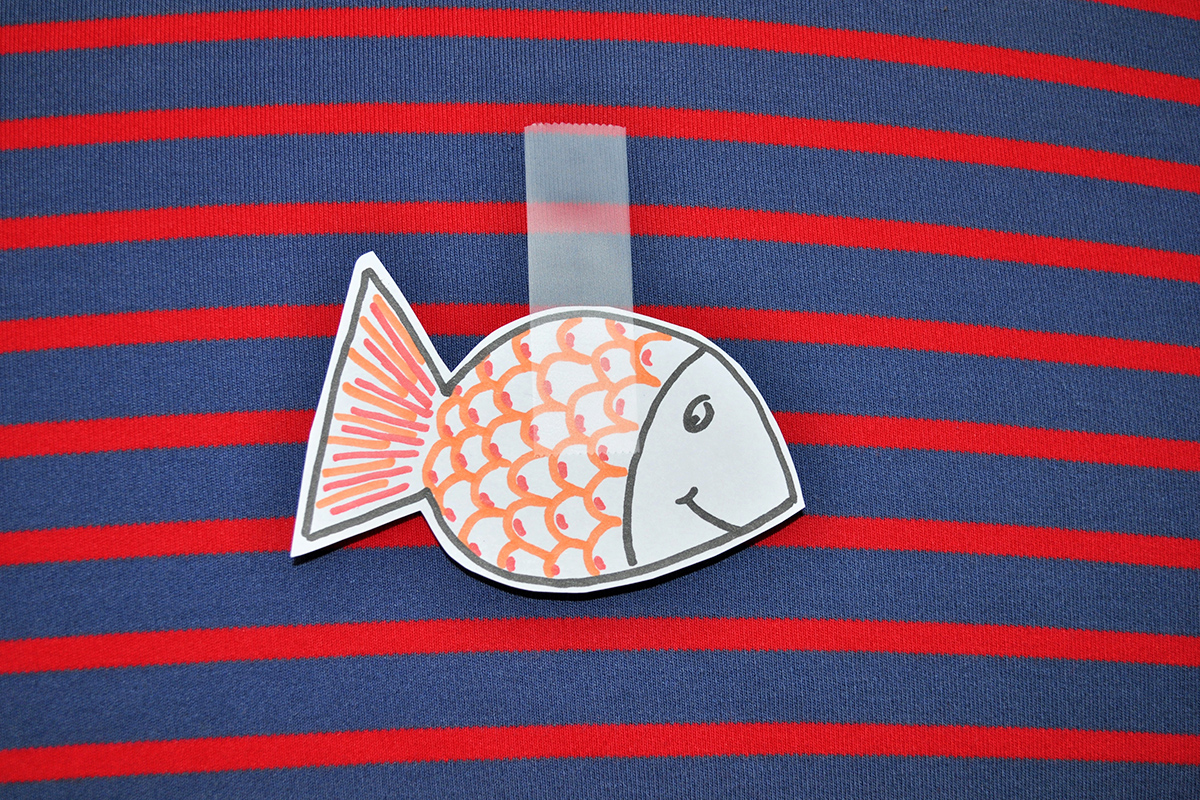
Today, French children typically celebrate the occasion by cutting out and taping paper fish onto the backs of unsuspecting prankees. When the target realizes, the pranksters shout, “Poisson d’avril!” The tradition extends to other French-speaking regions such as Quebec, Belgium, and Switzerland. It’s also seen in parts of Italy, where it’s known as pesce d’Aprile.
Pranks Are Supposed To Stop at Noon
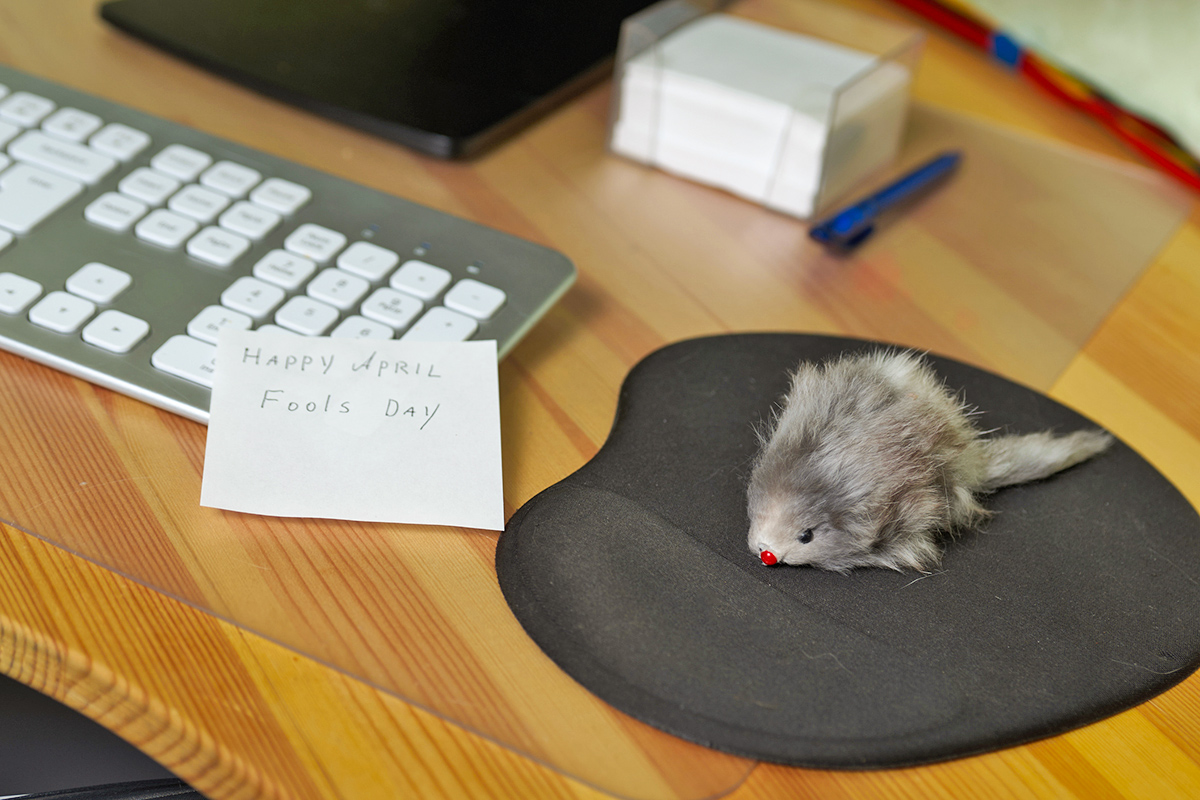
While some pranksters keep going strong until midnight, it’s tradition in certain parts of the world for all pranks to cease by noon on April 1. This is the case in the United Kingdom and countries in the former British Empire, where anyone who defies the rules and plays a prank in the afternoon or evening is actually considered the “April Fool” themselves.
The 12 p.m. cutoff may have originated with a 17th-century British holiday called Shig-Shag Day. While that holiday doesn’t share many similarities with April Fools’, it’s still believed to have laid the groundwork for local celebrations ending at noon.
On Shig-Shag Day (which typically fell on May 29), celebrants showed loyalty to the monarchy by placing oak sprigs in their hats. Those who failed to participate were ridiculed all morning, though it was understood that all mockery was to stop at midday.
More Interesting Reads


It’s a Two-Day Event in Scotland
While many pranksters celebrate April Fools’ on the first day of April, Scottish folks observe two days’ worth of festivities. The holiday caught on in Scotland during the 18th century, though it’s known there as April Gowk, Gowkie Day, or Huntigowk. The Scottish word gowk means “cuckoo” — a popular regional term for people who end up as the butt of a practical joke.
On the first day, April 1, Scots traditionally celebrate by sending their target out on a fool’s errand. One particularly popular prank is asking for help delivering a sealed letter containing the message “Dinna laugh, dinna smile. Hunt the gowk another mile.” Upon delivery, the letter’s recipient is meant to hand over another sealed envelope (containing a similar, if not identical, message) to be delivered. The prank only ends when the delivery person realizes they’re being sent on one pointless task after another.
The second day, April 2, is known as Preen-Tail Day or Tailie Day. On this day, pranksters go around affixing humorous written messages to people’s backs or behinds. The messages often read “kick me,” “pull my pigtails,” or some other playful physical gag.

Spain and Latin America Celebrate in December
In Spain and Spanish-speaking regions of Latin America, April 1 is just another day of the week. Instead, the time to pull pranks falls on December 28 — or Día de los Santos Inocentes, which translates to Day of the Holy Innocents.
This playful holiday has its roots in a dark biblical tale. King Herod is warned about the birth of the baby Jesus and subsequently orders male children under 2 (the “innocents” in question) to be slain to eliminate the threat to his power. In the tale, Jesus is brought to a safe hiding spot, and Herod dies mistakenly thinking his plan has worked.
On Día de los Santos Inocentes, instead of exclaiming “tontos de Diciembre” (“December fools”) when a prank is revealed, pranksters say, “¡Inocente, inocente!” (“innocent, innocent!”). Another holiday tradition is borrowing goods or money without any intention of paying them back.
One especially notable event is held each year in the town of Ibi, Alicante, Spain. For more than 200 years, locals have partaken in a citywide food fight to celebrate the holiday. It’s tradition for revelers to dress up in military garb and hurl eggs, flour, and even firecrackers at each other.
top picks from the Inbox Studio network
Interesting Facts is part of Inbox Studio, an email-first media company. *Indicates a third-party property.