







Original photo by Julia Bogdanova/ Unsplash+

Hands pulling grilled cheese apart with cheese stretching in the middle

You probably know someone who’s afraid of spiders, small spaces, or public speaking — maybe it’s even yourself. Those fears are relatively common, and likely to make people squirm at least a little. A phobia, however, goes well beyond ordinary discomfort; rather, it’s an extreme fear of a particular object or situation.

About 10% of the U.S. population has a specific phobia, and common culprits include snakes, heights, germs, and needles. There are some fears, however, that are much more surprising. Here are seven unusual phobias you’ve probably never heard of.

Credit: Maxi Gagliano/ Pexels

Koumpounophobia: Fear of Buttons

If you find yourself reaching for a zippered sweater instead of a button-up shirt or  buttoned cardigan out of terror, you may have koumpounophobia — aka the fear of buttons, particularly on clothing. Koumpounophobia can indeed cause quite a bit of distress beyond simply preferring clothing or objects without buttons: People report feeling discomfort, anxiety, or even downright disgust when seeing, touching, or wearing clothing with buttons.

The fear is thought to stem from childhood experiences. One documented case of an extreme button phobia points to an incident in which a young boy experienced embarrassment after slipping and spilling a bowl of buttons during a kindergarten art lesson; another regards a woman who was repeatedly warned against putting buttons in her mouth when she was a child for fear of choking.

In 2007, the Wall Street Journal published a story about Apple co-founder CEO Steve Job’s dislike of buttons, hinting that his peculiar aversion was the reason he wore his famous black turtlenecks and may even have led to the revolutionary iPhone touchscreen as a replacement for tactile buttons.

Credit: Olga Buntovskih/ iStock

Arachibutyrophobia: Fear of Peanut Butter Sticking to the Roof of Your Mouth

Peanut butter is a pantry staple in many homes, but for some people, it’s a source of genuine distress (and not just because of nut allergies). Arachibutyrophobia is a fear not just of peanut butter itself, but specifically of peanut butter sticking to the roof of the mouth. 

The cause of arachibutyrophobia isn’t clear: Most phobias are thought to stem from a combination of past negative experiences, genetics, anxiety, and/or the way the brain processes fear. Since arachibutyrophobia is based more so on the sensation itself — the feeling of being unable to swallow or breathe properly — it’s thought to originate from a past episode of choking or a moment of panic while eating. 

Arachibutyrophobia’s introduction into general culture is often attributed to lexicographer Robert Hendrickson, who included it in the 1975 People’s Almanac, a reference book for curious facts. It also appeared in a 1982 Peanuts comic strip in which Sally Brown can be seen reading a school report about the phobia. 

Credit: Bernd 📷 Dittrich/ iStock

Turophobia: Fear of Cheese

Lactose intolerance is an obvious explanation for some people avoiding cheese. Less common, however, is turophobia, an extreme fear of cheese that can result in reactions as severe as nausea, trouble breathing, and lightheadedness brought on by the mere sight or smell of the food. In some cases, the aversion can even extend to other white, creamy substances that resemble the dairy staple. 

In one documented case of turophobia, Atlantic magazine editor Scott Stossel explained the origin of his fear to USA Today. He described a childhood scene in which his sister ate a piece of cheese off the floor at an airport. In addition to being reprimanded by their mother, she came down with a stomach virus, and Stossel believes this kickstarted his cheese phobia; he hasn’t been able to stomach or even touch the stuff since. 

Credit: Shamblen Studios/ Unsplash

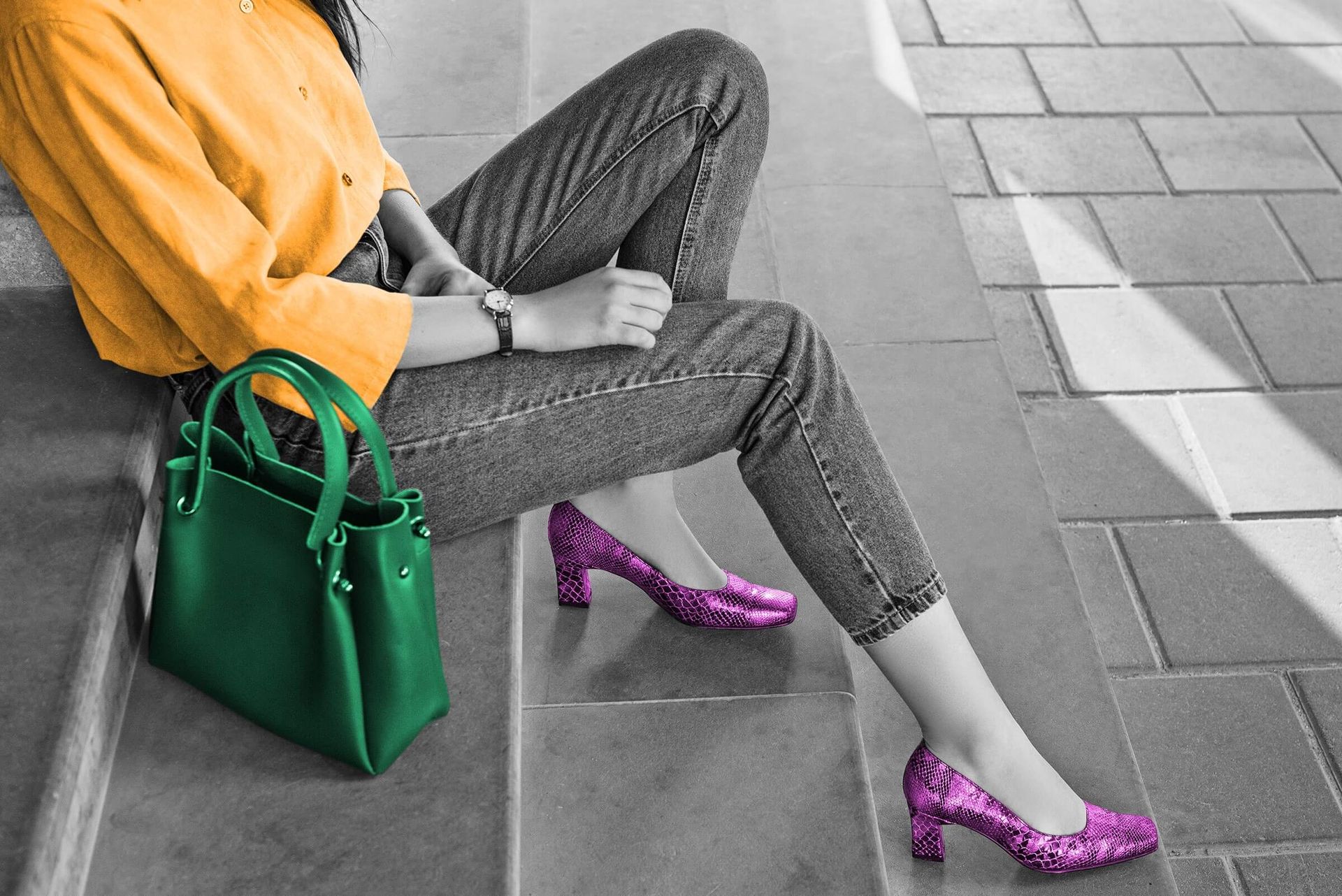
Chromophobia: Fear of Colors

A pop of color can brighten a room or even your mood, but for someone with chromophobia, it can trigger real anxiety. This fear typically centers around a single shade or a few bright colors, but some people react to just about every bold hue. There are even specific phobia names for specific colors: chrysophobia for orange or gold, cyanophobia for blue, rhodophobia for pink, and xanthophobia for yellow, to name a few. 

In his book Chromophobia, author David Batchelor describes the fear as a larger cultural unease with color. He argues that, throughout Western history, color has often been dismissed as excessive or superficial, decorative rather than substantive; sculptors and architects, for example, have often opted for more minimalistic neutral hues instead. 

Batchelor doesn’t suggest those traditions have directly created phobias, but it could help explain why intense hues can cause discomfort — something fans of the millennial gray aesthetic most likely wouldn’t argue with. 

Credit: Larisa Stefanuyk/ iStock

Erythrophobia: Fear of Blushing

If you’ve ever experienced the sensation of blushing, you’ll know it can  cause you to feel self-conscious. The involuntary bodily response is certainly nothing to be ashamed of, but for those with erythrophobia, blushing is a source of intense anxiety. 

The fear of your cheeks and face turning red in public can make ordinary interactions feel impossible to navigate, and as a result, people with erythrophobia may avoid social interactions altogether. Research suggests that people who regularly focus closely on themselves are more likely to fear blushing and be prone to it — a cruel bit of irony, since the more you worry about turning red, the more likely it is to happen.

Credit: KSevchenko/ iStock

Lachanophobia: Fear of Vegetables

It’s not uncommon to dislike certain vegetables — especially for kids — but to people with lachanophobia, the sight, smell, or texture of the foods triggers a distinct sense of disgust and dread. 

For some, the fear is tied to where vegetables come from: They’re grown in soil and therefore exposed to insects or contamination. In other cases, the reaction is to specific types of vegetables. Mycophobia, for example, is the fear of mushrooms, which is most often linked to concerns about their potential toxicity.

One documented case of lachanophobia involved a 22-year-old university student from Portsmouth, England, whose fear of vegetables caused her to have panic attacks. Like other specific phobias, lachanophobia is often treated through gradual exposure or anxiety management.

Credit: Filmstax/ iStock

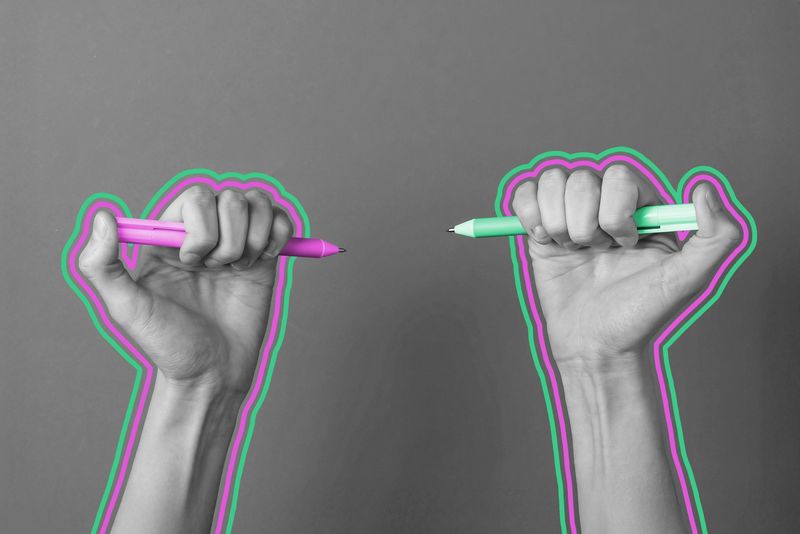
Phobophobia: Fear of Fear

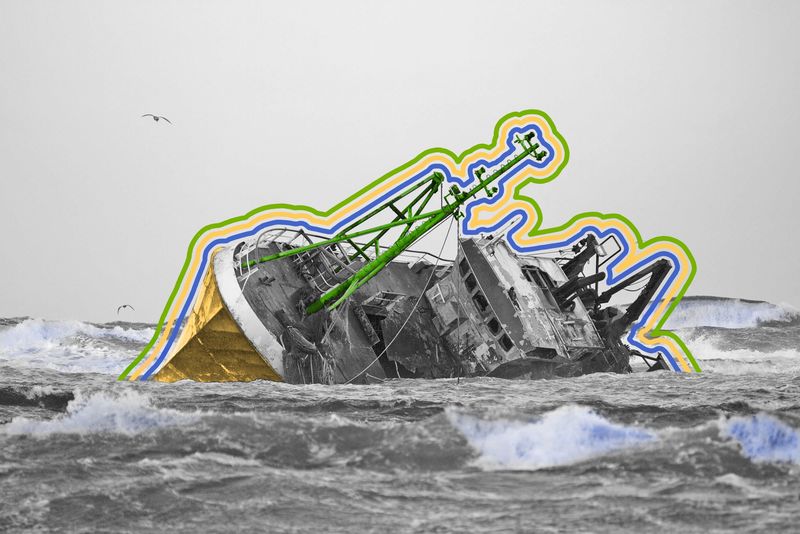
In his inaugural address in 1933, President Franklin D. Roosevelt famously said, “The only thing we have to fear is fear itself.” Though his intention was to give the U.S. courage in the midst of the Great Depression, he also inadvertently mentioned phobophobia: the fear of fear itself, a meta type of anxiety. 

People with phobophobia may be frightened about experiencing the physical sensations that come with fear, such as sweaty palms or shortness of breath, or they may worry about the lasting harm those symptoms may cause. Chronic stress, for instance, can contribute to high blood pressure and a weakened immune system. 

Others feel an intense fear regarding the possibility of developing other specific phobias. By anticipating their own anxiety, they create more of it, creating a feedback loop known as a self-fulfilling prophecy.

Phobias aren’t always based in logic, but that doesn’t make the scared feeling any less real. The good news is that with the right support, people can often learn to manage their symptoms and navigate daily life without being ruled by their fear.

Nicole Villeneuve
Writer

Nicole is a writer, thrift store lover, and group-chat meme spammer based in Ontario, Canada.