


Spending day with dog in nature
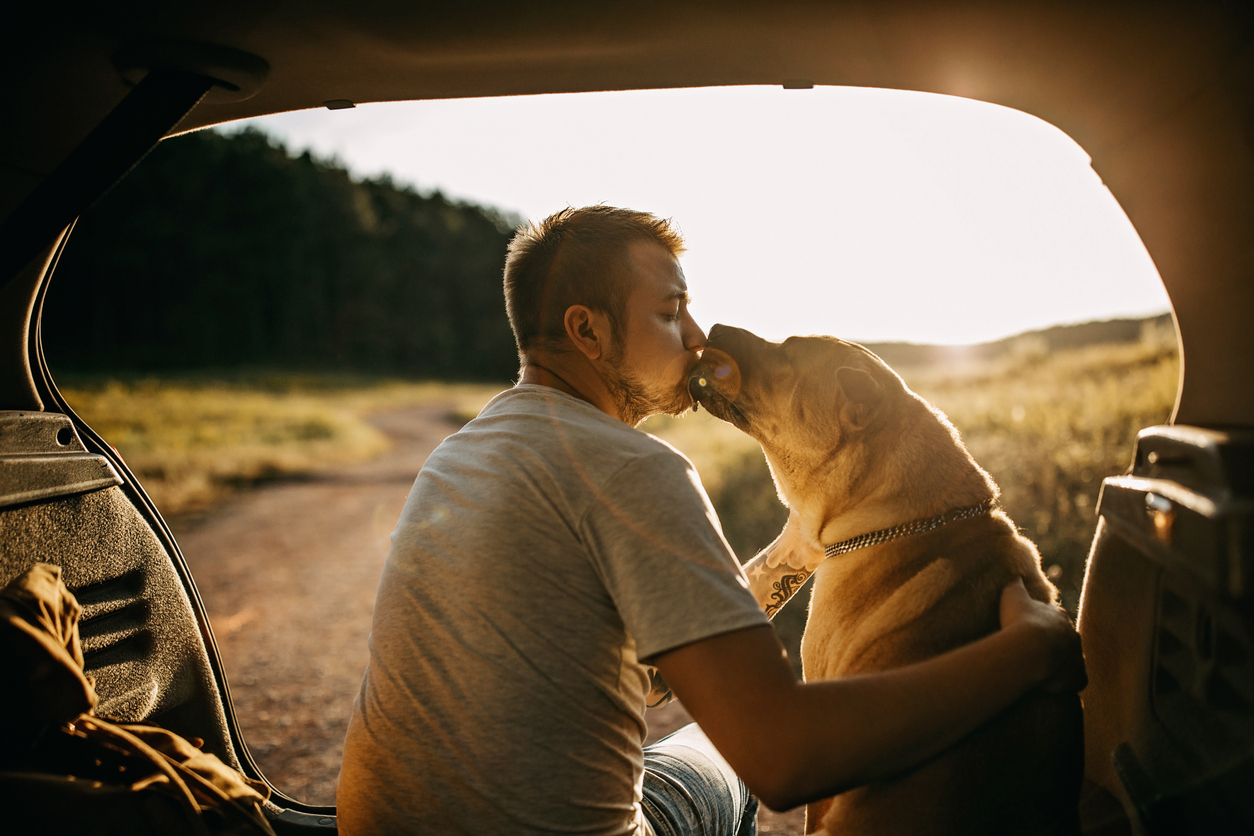
A Chihuahua can weigh as little as 2 pounds. A Great Dane-Mastiff mix can tip the scale at 250. Some dogs chase anything that moves, while others won’t budge from their bed. Despite that range, their DNA connects them in ways that aren’t always obvious. Here are eight surprising facts about your furry companion.

Dogs and Humans Share About 84% of DNA
Scientists estimate that humans and dogs share about 84% of their DNA, including more than 17,000 similar genes.
Embark, a canine genetics company, highlights several shared variants within its canine DNA database. Both species, for example, carry multiple copies of the AMY2B gene, which supports starch digestion — a useful adaptation as dogs evolved alongside agricultural societies. Other shared genes include EPAS1, linked to high-altitude adaptation, and POMC, associated with food motivation and metabolism.

Most Dogs Still Have a Little Wolf in Them
Genetic and archaeological evidence suggest that domestic dogs could have descended from gray wolves sometime between 27,000 and 40,000 years ago.
“Surprisingly, Pomeranians have 10 times more wolf-like genetic variants in regions linked to domestication compared to other breeds like Bullmastiff and Irish Setter,” Brett Ford, senior scientist at Embark, said.
In other words, even the tiniest lap dog carries traces of its wild ancestry.

Your Dog Could Have Relatives Living Across the World
Your dog’s family tree may stretch farther than you think. In fact, 94% of dogs tested through Embark were matched with at least one genetic relative.
“Among dogs whose DNA has been tested through Embark, around 1 in 3 have an immediate family member who has also been tested,” Thom Nelson, Ph.D., senior scientist at Embark, said. “And around 1% of dogs have a close family member living in a different country.”
A cross-continental canine connection isn’t just a modern phenomenon. A University of Oxford study found that dogs migrated southward through the Americas over thousands of years, moving alongside human communities as agriculture spread in parts of the continent. Some modern Chihuahuas still carry genetic traces of pre-European-contact dogs in Mesoamerica.
More Interesting Reads

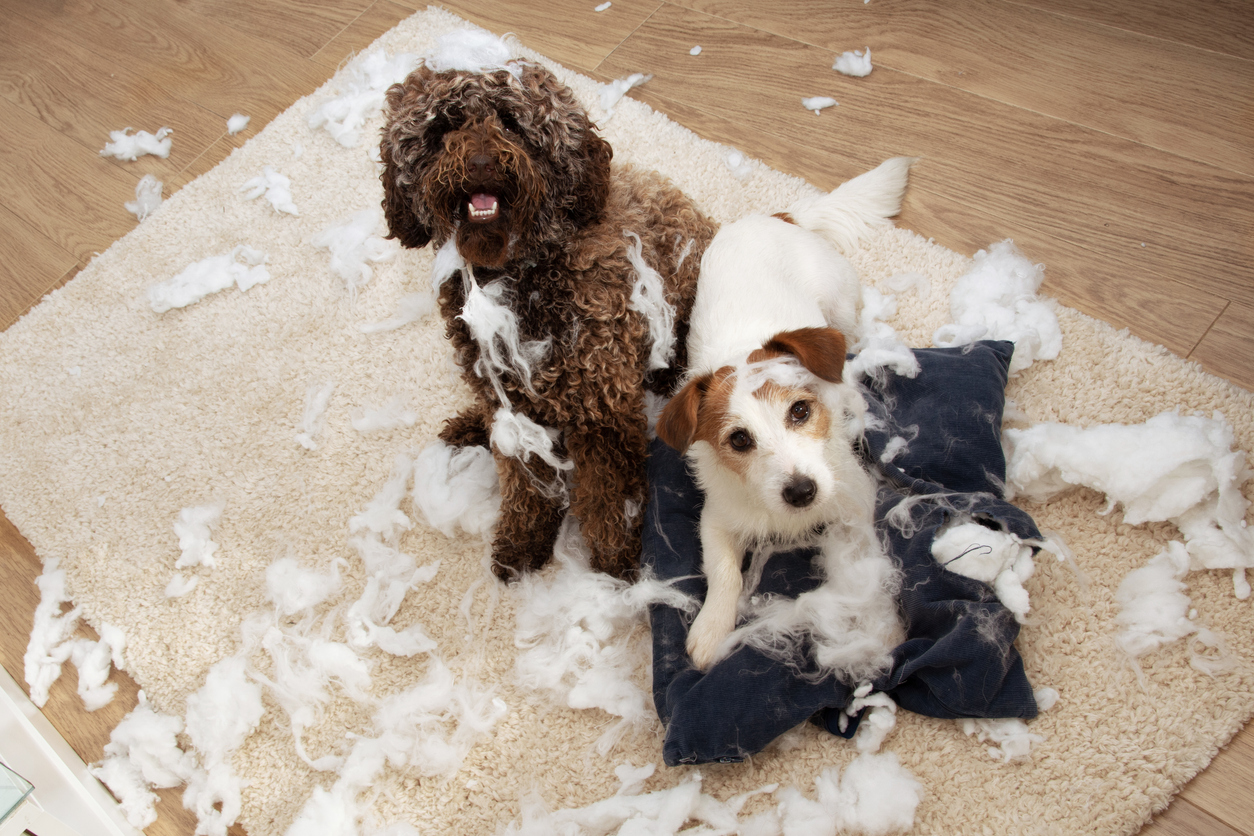
Some Behavioral “Problems” Are Actually Inherited Job
Barking, digging, and fixating on movement are tendencies that often trace back to breed history.
“In mixed-breed dogs, having even some Greyhound ancestry can make dogs more likely to chase animals like squirrels and rabbits,” Nelson said. “Nipping or ankle biting has been bred into some breeds, like the Australian Cattle Dog, whose job it is to herd cattle and livestock in tight quarters.”
A review from the National Human Genome Research Institute suggests that breed-specific behaviors are shaped, at least in part, by inherited genetic differences. So, a job that once mattered can still manifest in your dog’s daily habits generations later.
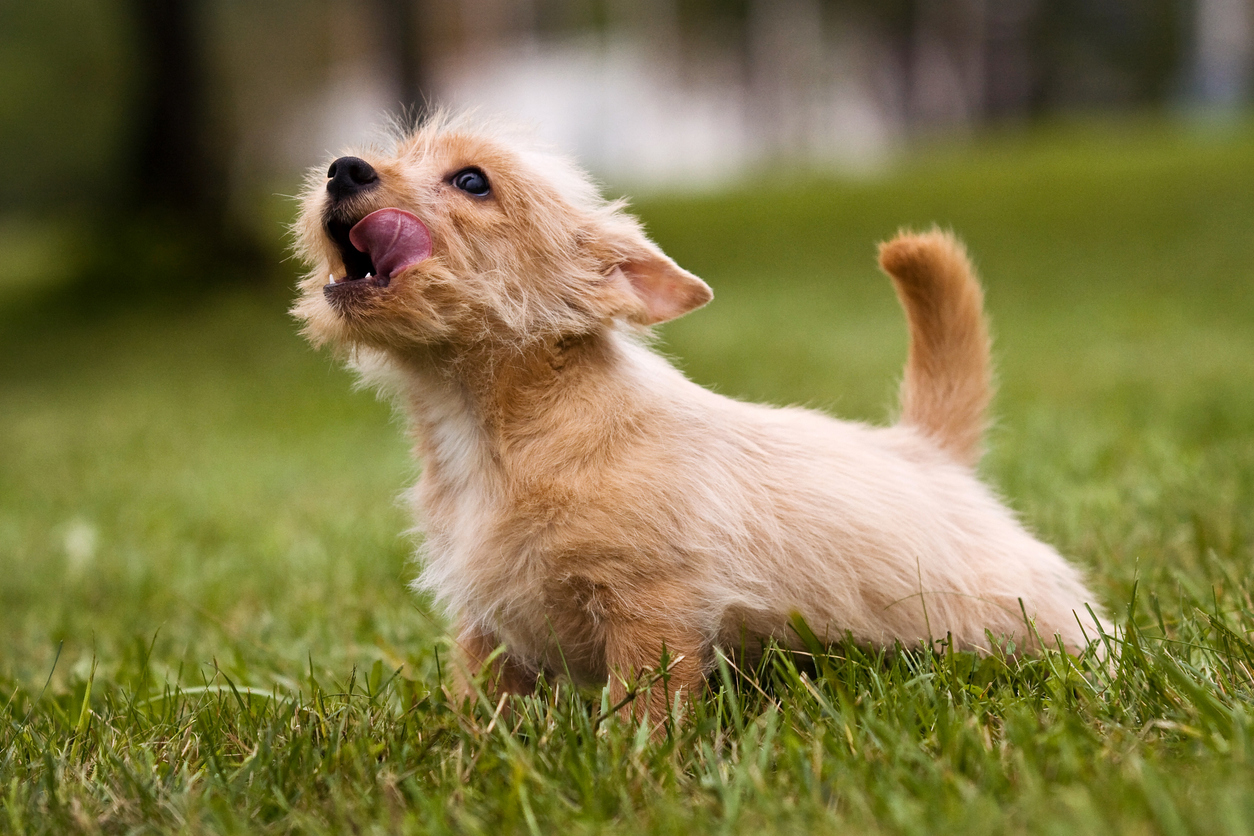
Dogs Can Sense Earth’s Magnetic Field When Choosing Where To Poop
A peer-reviewed study published in Frontiers in Zoology observed 70 dogs across 37 breeds over two years, recording more than 7,000 bathroom breaks and noting the direction of each dog’s body alignment.
When those observations were compared with daily geomagnetic readings, dogs showed a consistent directional preference under calm magnetic conditions — a pattern that disappeared when the magnetic field fluctuated. Simply put, dogs pick where to poop according to their built-in compass.
“Yes, dogs may have a built-in compass. When Earth’s magnetic field is calm and stable, dogs often align along the North-South axis when they poop,” Thom Nelson, Ph.D., senior scientist at Embark, said. “This ability to detect Earth’s magnetic field may contribute to their impressive navigation skills.”
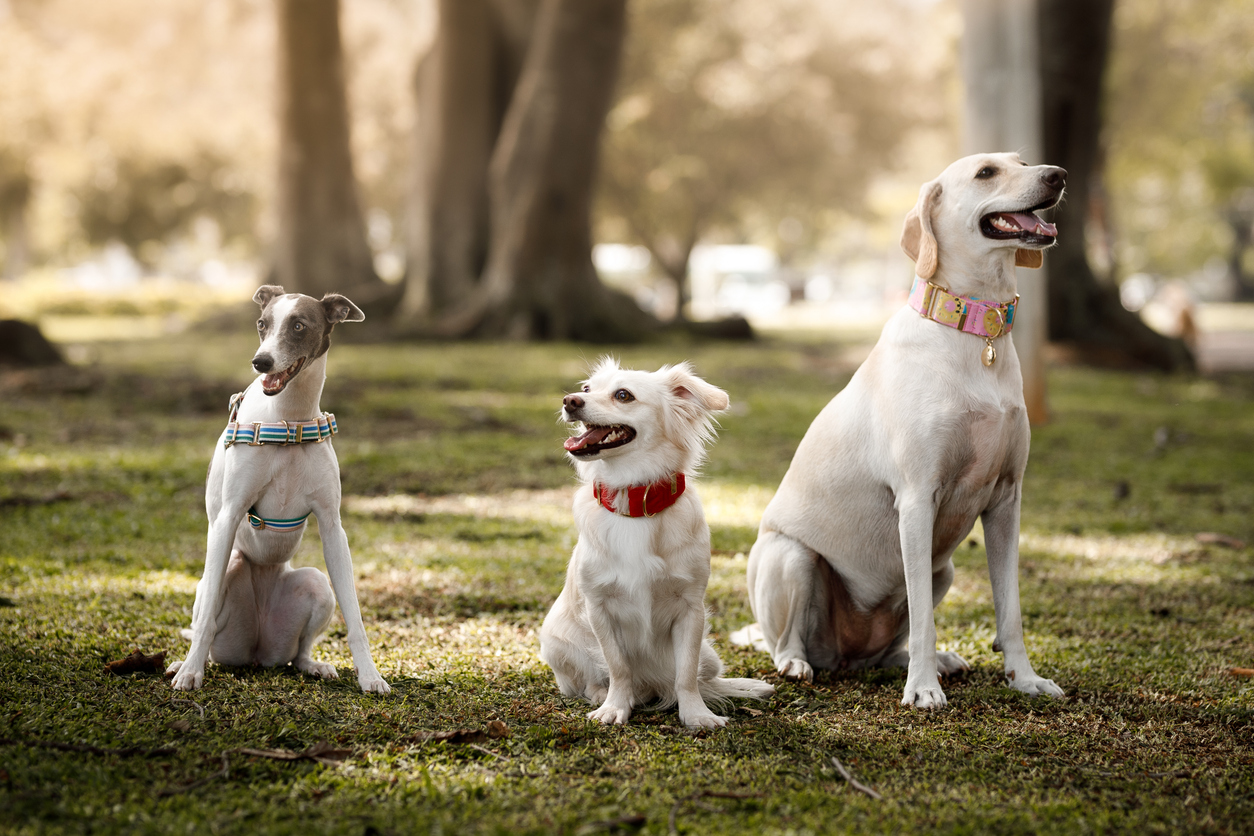
Dogs Show More Variation in Size and Shape Than Any Other Land Mammal
Domestic dogs display extraordinary variation in size and shape, from toy breeds weighing just a few pounds to giant breeds exceeding 200 pounds. Much of this dramatic size difference is driven by genes and amplified through centuries of selective breeding.
Embark data illustrates how wide that range can be. The smallest dog in the dataset was a Chihuahua at 2 pounds with a predicted weight of 3.7 pounds. The largest was a Great Dane-Mastiff mix, weighing 250 pounds and predicted to weigh 187 pounds.
At the extremes, the largest dogs can weigh more than 200 times as much as the smallest.

Not All Dogs Sniff the Same
According to Embark’s data, 94% of dogs from scent-hound breeds, such as Bloodhounds and Beagles, keep their noses to the ground, while other breeds and mixes only sniff about 71% of the time.
That difference goes deep: Dogs possess up to 300 million olfactory receptors, compared with roughly 5 million in humans, and devote a much larger portion of their brains to processing scent. Selective breeding reinforced those scent-tracking abilities in certain groups, particularly hounds developed to follow ground trails over long distances. For some dogs, following a scent isn’t a hobby; it’s hard-wired.
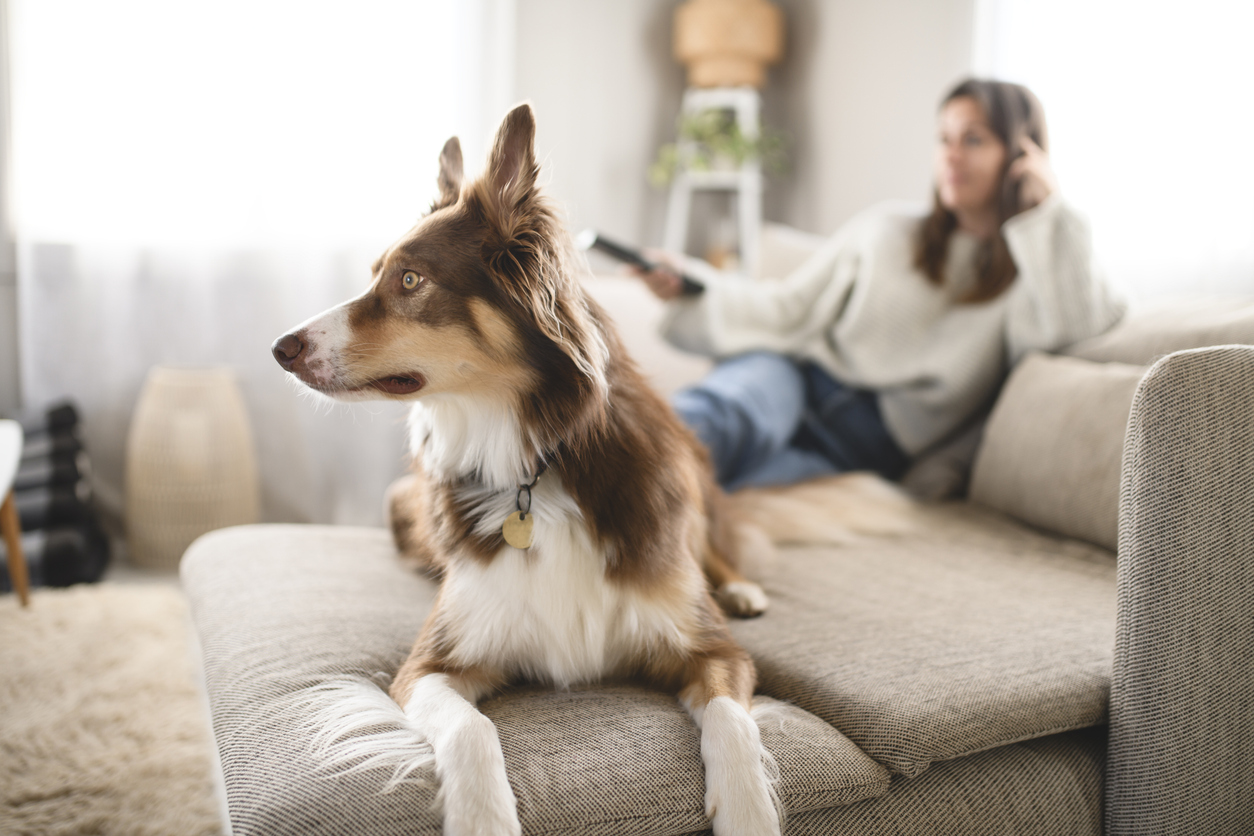
Your Dog Might Be Your Next Binge-Watching Buddy
Dogs can perceive and respond to images on screens, and some might be big fans. An Embark survey shows that only 27% of dog parents report their dogs never watch TV, while 9% say their dogs binge their favorite shows (occasionally alongside their owners).
Terriers, for example, bred to hunt vermin, may respond to movements on the screen or squeaky noises. But Bloodhounds, known for scent-trailing abilities, may not be interested in what’s on the TV because there’s no odor.
Learn More About Your Own Dog
From wolf ancestry to global relatives to scent-driven habits, much of what makes a dog a dog is embedded in their DNA.
If you’re curious about your dog’s breed mix, inherited traits, size predictions, or potential relatives, Embark offers dog DNA testing designed to uncover those answers — and provide insight into some of those delightfully unexpected quirks.
Visit embarkvet.com to learn more about your dog.
This story was paid for by an advertiser. Interesting Facts’ editorial staff was not involved in the creation of this content.
This story was paid for by an advertiser. Interesting Facts's editorial staff was not involved in the creation of this content.

top picks from the Inbox Studio network
Interesting Facts is part of Inbox Studio, an email-first media company. *Indicates a third-party property.